Deep Cleaning and Periodontal Treatment: Are They the Same?
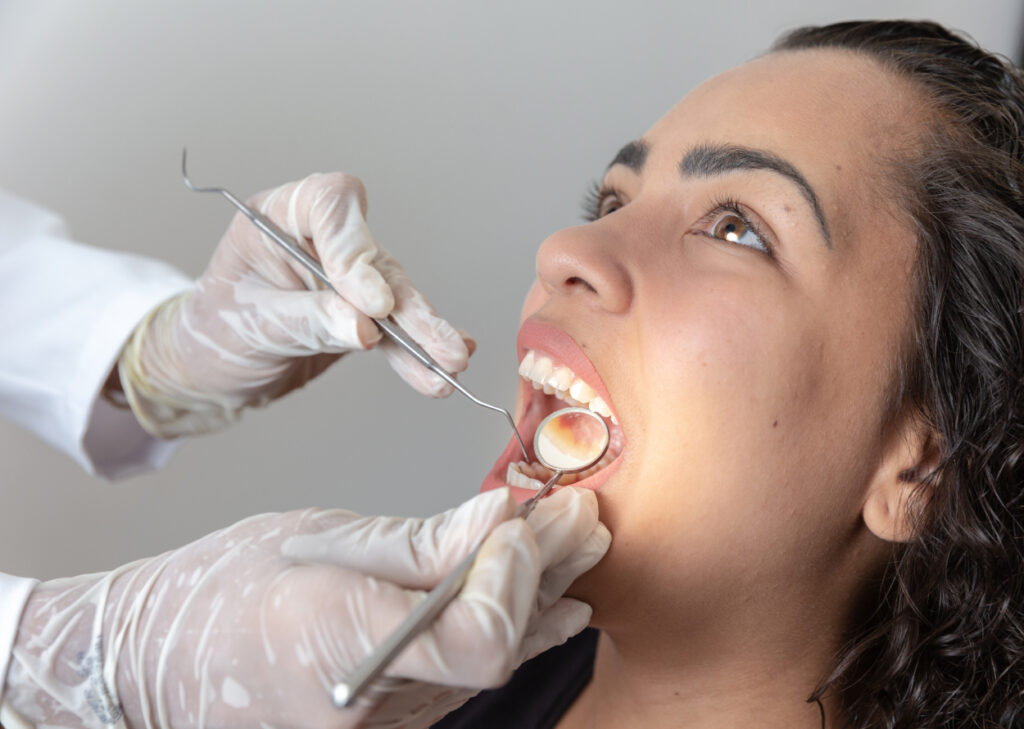
Patients often use the terms interchangeably. They come in saying they were told they need a "deep cleaning," then ask whether that means they have gum disease. Others hear "periodontal treatment" and assume they are headed for surgery. The confusion is understandable, partly because dentists, hygienists, insurance plans, and patients do not always use the same language.
The short answer is this: a deep cleaning is usually a type of periodontal treatment, but periodontal treatment is a broader category. Not every periodontal treatment is a deep cleaning, and not every patient who hears that phrase needs the same level of care.
That distinction matters because the words shape expectations. If someone thinks a deep cleaning is just a longer version of a routine cleaning, they may be surprised by the numbness, follow-up visits, or home care instructions. If they hear periodontal treatment and picture something severe, they may delay care they actually need right now, when the disease is still manageable.
Understanding what each term means makes it easier to ask the right questions, consent to treatment with confidence, and protect your teeth over the long haul.
Why the terminology gets muddy
"Deep cleaning" is a patient-friendly phrase. It is not wrong, but it is imprecise. In most dental offices, it refers to scaling and root planing, a non-surgical procedure used to treat periodontal disease by removing plaque, tartar, and bacterial toxins from below the gumline. The aim is to reduce inflammation and help the gums reattach more tightly to the teeth.
"Periodontal treatment" is the wider clinical umbrella. It includes scaling and root planing, but it can also include periodontal maintenance, localized antibiotic therapy, gum surgery, laser therapy in some practices, splinting in select cases, extraction of hopeless teeth, and referral to a periodontist for advanced care.
That is why two patients can both be told they need periodontal treatment and end up having very different appointments. One may need non-surgical care in two visits with local anesthetic. Another may need surgery around a few molars with deep defects. Same umbrella term, very different treatment paths.
What a routine cleaning is meant to do
A standard cleaning, often called prophylaxis or "prophy," is preventive care for a mouth that is generally healthy or stable enough that active periodontal disease is not the main issue. The goal is to remove plaque, superficial tartar, and stain above the gumline and at the edge of the gums, then polish and reinforce home care.
This kind of cleaning does not address significant deposits deep under the gums. It is not intended to treat infection that has already led to pocketing, attachment loss, or bone loss. Trying to use a routine cleaning for active periodontal disease is a bit like wiping down a kitchen counter when the leak is under the sink. The visible surface may look better, but the real problem keeps progressing.
Patients are sometimes puzzled by this because their teeth may not hurt. Gum disease is often quiet at first. Bleeding when brushing, a bad taste, chronic puffiness, or gums that seem to have shifted are more common early clues than sharp pain.
What a deep cleaning actually involves
When clinicians say deep cleaning, they usually mean scaling and root planing. Scaling removes plaque and calcified deposits from both above and below the gumline. Root planing smooths the root https://juliusiptl783.evergrovio.com/posts/how-regular-checkups-reduce-the-need-for-major-periodontal-treatment surfaces so the gums have a cleaner, less contaminated surface against which to heal. In practice, the two steps blend together during treatment.
A true deep cleaning is typically recommended when the gums have formed periodontal pockets, often measuring 4 millimeters or more in areas with bleeding, tartar below the gumline, and signs of attachment or bone loss. The exact threshold can vary based on the full picture. A single 4 millimeter reading in an otherwise healthy mouth is not the same as generalized bleeding with multiple deeper pockets and radiographic bone loss.
Most offices divide treatment by quadrants or halves of the mouth. Local anesthetic is common because cleaning deep, inflamed pockets thoroughly is uncomfortable without it. Ultrasonic instruments may be used first to disrupt deposits and bacteria, followed by hand instruments to refine the root surface. The appointment usually takes longer than a routine cleaning, and the tissue often feels tender afterward.
The best result is not "sparkling teeth." It is a healthier gum environment, with less bleeding, reduced swelling, shallower pockets where possible, and a lower bacterial burden that a patient can maintain at home.
When deep cleaning becomes necessary
The recommendation usually starts with a periodontal evaluation. The clinician measures the depth of the gum pockets around each tooth, checks for bleeding, reviews X-rays for bone levels, looks at tartar accumulation, evaluates tooth mobility, and considers the patient's medical history.
Several scenarios commonly point toward deep cleaning rather than a regular cleaning:
- Multiple areas of bleeding with pockets that suggest disease below the gumline
- Visible or radiographic tartar extending under the gums
- Evidence of bone loss around the teeth
- Chronic inflammation that has not resolved with routine preventive care
- A history of periodontal disease with signs of active recurrence
Even then, judgment matters. A young patient with temporary gum swelling from inconsistent brushing may improve with a conventional cleaning and focused home care if there is no true attachment loss. An older patient with recession, exposed roots, and a long history of periodontal problems may need a more tailored plan, even if some pocket numbers are modest. Numbers help, but they do not replace clinical context.
Periodontal treatment is the bigger picture
This is the central point. Deep cleaning and periodontal treatment are not identical terms.
Scaling and root planing is one form of periodontal treatment, often the first step when gum disease is active but can still be managed non-surgically. Periodontal treatment as a category includes everything used to diagnose, control, stabilize, and maintain periodontal health.
That difference becomes clearer after the first phase of care. Many patients assume that once the deep cleaning is done, they are "fixed." Sometimes the gums respond beautifully. More often, there is an ongoing maintenance phase because periodontal disease is chronic and prone to relapse. A person who has lost attachment or bone support does not become the same as a person who never had the disease. The inflammation can be controlled, and progression can often be slowed dramatically, but the mouth needs closer follow-up.
This is why a patient may no longer need another deep cleaning yet still be on a periodontal treatment schedule. The disease status, pocketing pattern, and maintenance needs determine the next step.
The role of periodontal maintenance
One of the biggest sources of misunderstanding comes after scaling and root planing. Patients expect to go back to ordinary six-month cleanings. Sometimes that happens later, but often it does not, at least not right away.
Periodontal maintenance is a specialized recall visit for patients with a history of periodontal disease. It is not just "a regular cleaning with a new name." These visits usually happen every three to four months, though timing varies. The clinician reassesses pocket depths, bleeding, plaque control, tartar buildup, mobility, and areas of recurrent inflammation. The cleaning may include instrumentation below the gumline in sites that need it.
The interval matters because harmful bacteria can repopulate periodontal pockets relatively quickly. Waiting six months in a high-risk mouth can give inflammation too much time to reestablish itself. Many patients who stabilize well over a year or two can sometimes extend intervals, but that decision should be based on tissue response, not wishful thinking.
A pattern I have seen repeatedly is this: the patient feels much better after the deep cleaning, skips the recommended maintenance because everything seems fine, then returns a year later with deeper pockets, heavier bleeding, and more bone loss. Gum disease often advances quietly, which makes consistency far more important than symptoms.
What deep cleaning can and cannot do
A good deep cleaning can make a dramatic difference. Gums that bleed every morning often calm down within weeks. Breath improves. Tenderness decreases. Patients who thought they might lose several teeth sometimes gain years of stability.
Still, there are limits.
Deep cleaning does not regrow bone in most routine cases. It does not eliminate every deep pocket if anatomy, long-standing disease, furcation involvement, or smoking have created conditions that are difficult to manage non-surgically. It also does not guarantee success if home care is poor or maintenance is inconsistent.
That is where periodontal treatment may move into a second phase. If certain sites remain deep and inflamed after scaling and root planing, a periodontist may recommend surgical access to clean areas more thoroughly, reshape tissue, reduce pockets, or in selected cases use regenerative techniques. Not every patient needs that escalation, but some do.
Patients are sometimes disappointed to hear they still need more treatment after a deep cleaning. In reality, the initial therapy often functions as both treatment and test. It reduces inflammation enough for the clinician to see which areas heal predictably and which remain problematic.
Why insurance language adds to the confusion
Insurance plans have their own coding and frequency rules, and those rules do not always line up with how patients think about care. A prophylaxis is coded differently from scaling and root planing. Periodontal maintenance is coded differently again. Because of this, patients may hear one phrase at the front desk, another from the hygienist, and a third on the claim explanation.
This sometimes leads to skepticism. A patient may ask, "Why can't you just do a regular cleaning?" The practical answer is that the procedures are not equivalent in purpose, time, technique, or clinical indication. Doing a routine cleaning on a mouth with active periodontal disease would not meet the standard of care.
It also helps to know that insurance does not diagnose disease, clinicians do. A plan may cover only a certain number of quadrants or place limits on maintenance frequency. Those financial constraints are real, but they should not define what is clinically necessary.
Signs that point to periodontal disease, even if your teeth look clean
People often assume gum disease only affects mouths with obvious neglect. That is not true. Some patients brush every day and still develop periodontal problems because of genetics, crowding, smoking history, diabetes, dry mouth, clenching, old dental work that traps plaque, or years of tartar accumulation in hard-to-reach areas.
A mouth can look reasonably clean from the front and still have disease below the gumline. Several warning signs deserve attention:
- Bleeding during brushing or flossing that happens regularly
- Gums that look puffy, shiny, or darker red than usual
- Persistent bad breath or a sour taste
- Teeth that seem longer because the gums have receded
- Shifting teeth, food trapping, or new looseness
None of these signs proves severe disease on its own, but together they build a strong case for a full periodontal evaluation.
What the appointment feels like, practically speaking
Patients usually want to know what to expect, and that question deserves a straightforward answer. Most deep cleanings are not dramatic, but they are more involved than routine cleanings.
If only a few areas are affected, treatment may be localized. More commonly, it is done in two visits, one side of the mouth at a time, so numbness is manageable. Afterward, the gums may feel sore for a day or two. Cold sensitivity is common, especially if a lot of tartar was covering exposed root surfaces. Some patients notice the spaces between their teeth look a bit larger once inflammation and deposits are gone. That can be unsettling if nobody warned them, but it usually reflects healthier tissue contours, not damage caused by the procedure.
Soft foods, lukewarm rinses if recommended, and careful brushing with a soft brush help during the first day or so. Most people return to normal routines quickly. The more important work begins after the appointment, when daily plaque control determines whether the gums stay quiet.
Home care after treatment matters more than most people realize
A beautifully performed deep cleaning can lose ground fast if home care stays the same. The goal is not aggressive brushing. It is effective, consistent disruption of plaque at the gumline and between the teeth.
For most adults with periodontal concerns, that means brushing twice daily with a soft electric or manual brush used carefully, cleaning between the teeth every day with floss or interdental brushes, and following any specific recommendations for antimicrobial rinses or prescription products if the clinician advises them. The ideal tool between teeth depends on the space, the shape of the embrasures, and dexterity. Floss is not automatically best for every patient. Interdental brushes often work better around recession, bridges, and wider spaces.
This is where personalized coaching matters. A patient with tight lower front contacts needs a different strategy from someone with open embrasures around molars. Generic advice helps only so much.
The edge cases worth knowing about
There are situations where the labels become less tidy. Pregnancy-related gingival inflammation can create bleeding and swelling that mimic more serious disease, but the treatment decision depends on pocketing, deposits, and attachment levels. Orthodontic appliances can trap plaque and increase inflammation, yet not every inflamed orthodontic patient needs scaling and root planing. Smokers may have deceptively less bleeding because nicotine constricts blood vessels, even while disease is progressing more aggressively underneath. Patients with uncontrolled diabetes often heal more slowly and may need closer periodontal management.
Then there are patients who have recession and sensitivity but not active periodontal disease. Exposed roots can look alarming, yet if pocketing and inflammation are minimal, the answer may not be deep cleaning at all. It might be focused home care changes, desensitizing products, nightguard therapy if grinding is a factor, or restorative protection on worn root surfaces.
This is why a proper diagnosis matters more than the phrase used to describe treatment.
Questions worth asking before you schedule
If you have been told you need a deep cleaning or other Periodontal Treatment, ask for specifics. Good questions tend to produce better understanding and less anxiety. You might ask how deep the pockets are, whether there is bone loss on the X-rays, how many areas are affected, whether anesthetic will be used, what reevaluation is planned, and whether periodontal maintenance is likely afterward.
A competent explanation should make clinical sense. You should hear more than "your insurance covers this" or "your gums are a little inflamed." The recommendation should connect findings to treatment clearly. That is not being difficult. It is being informed.
So, are they the same?
Not exactly. A deep cleaning is commonly the everyday term for scaling and root planing, one important form of non-surgical periodontal treatment. Periodontal treatment is the broader clinical category that includes deep cleaning and all the other measures used to control gum disease and maintain periodontal health over time.
If your office uses the terms loosely, that does not automatically mean anything is wrong. Many clinicians simplify language for clarity. Still, the best care happens when both sides understand what is being treated and why.
For patients, the practical takeaway is simple. If you are told you need a deep cleaning, do not frame it as "just a cleaning." Ask whether you have gingivitis or periodontitis, whether bone loss is present, and what the follow-up plan will be. The real issue is not the label. It is whether disease below the gumline is being diagnosed accurately and treated early enough to keep your teeth stable for years to come.
That is the point where terminology stops being academic and becomes personal. Healthy gums rarely demand attention. Unhealthy gums eventually do. The sooner the difference is recognized, the better the outcome tends to be.
Avra Dental
Address: 1708 S Victoria Ave B, Ventura, CA 93003
Phone number: (805) 941-1001
FAQ About Periodontal Treatment
Can a dentist get rid of periodontal disease?
A dentist or gum specialist (periodontist) cannot fully cure or reverse advanced periodontal disease (periodontitis), but they can successfully stop its progression and manage the infection.
Is periodontitis very serious?
Yes, periodontitis is a very serious, advanced form of gum disease that destroys the bone and tissues supporting your teeth.
How is stage 2 periodontal disease treated?
Stage 2 periodontal disease (early to moderate periodontitis) is primarily treated with non-surgical deep cleaning procedures like scaling and root planing to remove bacteria and tartar below the gumline.